LVP vs. Tile: Which Is Better for Kitchens and Bathrooms?
Both LVP and tile are excellent choices for wet areas, but each has distinct advantages. Here's how they compare so you can make the right choice for your home.
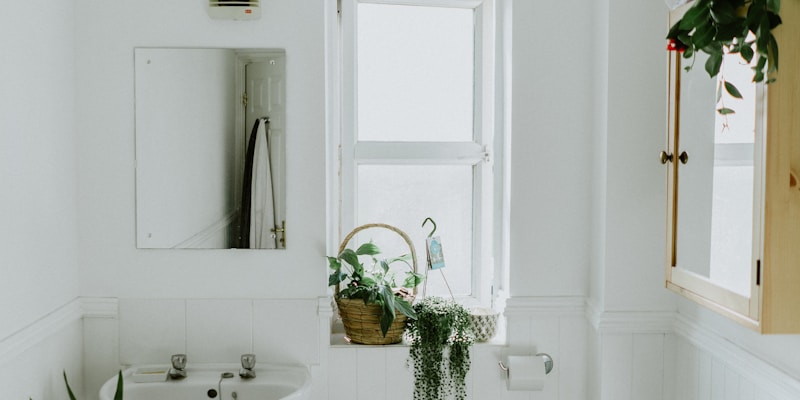
When renovating a kitchen or bathroom, choosing the right flooring is critical. Both luxury vinyl plank (LVP) and ceramic or porcelain tile are water-resistant, durable, and popular choices for wet areas. But which is right for your Carolina home?
Cost Comparison
LVP is typically less expensive upfront. Most Carolina homeowners spend $4 to $13 per square foot for LVP installation, while tile usually ranges from $5 to $15 per square foot. However, upfront cost is only part of the story. Tile lasts much longer, which means lower replacement costs over time. If you plan to stay in your home for decades, tile's longevity may justify the higher initial investment.
Water Resistance and Durability
Both materials handle moisture well, but tile has the edge in wet areas. Ceramic and porcelain tile are nearly waterproof and won't warp, making them the industry standard for bathrooms and shower areas. LVP can absorb water if seams are compromised, especially in full bathrooms with constant moisture exposure.
Durability also favors tile. Porcelain tile lasts 30 to 40+ years with basic maintenance, while LVP typically lasts 10 to 20 years before showing wear, edge degradation, or movement. For long-term durability in wet areas, tile is the better choice.
Comfort and Feel Underfoot
LVP wins on comfort. It feels warmer underfoot and more forgiving on standing for long periods, which is ideal for kitchens where you'll spend time cooking. Tile, especially in winter, remains cool to the touch. Many homeowners dislike this cold feeling, though radiant heating under tile can solve this problem if you're willing to invest more.
Maintenance and Cleaning
LVP is easier to maintain. A simple sweep and mop is all you need. No sealing, no special products. Tile requires more attention. Grout lines need regular cleaning to prevent mold and mildew, especially in humid North Carolina bathrooms. You may also need to reseal tile periodically, depending on the grade and grout type you choose.
Design Options
Tile offers far more design flexibility. You can choose from hundreds of colors, textures, patterns, and finishes. Subway tiles, hexagon tiles, large-format stone-look tiles, and intricate mosaics are all common in modern bathrooms. LVP primarily mimics natural wood and stone patterns, so your design options are more limited.
Installation and Labor
LVP installs faster and easier, which reduces labor costs. Professional installation typically takes one to two days for a kitchen or bathroom. Tile installation takes longer and requires more skill, so labor costs are higher. However, the faster installation of LVP must be weighed against tile's superior durability.
Which Should You Choose?
Choose tile if: You're renovating a bathroom or shower area where moisture is constant. You plan to stay in your home long-term. You want design flexibility and don't mind the maintenance. You prioritize durability over cost.
Choose LVP if: You're installing flooring in a kitchen where comfort underfoot matters. You want easy maintenance. You're budget-conscious and plan to replace flooring in 10 to 15 years. You prefer the warmth and feel of a wood-like surface.
Many Carolina homeowners choose both: tile in bathrooms for moisture protection and durability, and LVP in kitchens for comfort and ease of maintenance. This approach gives you the best of both worlds.
Ready to upgrade your kitchen or bathroom flooring? Youngs Flooring specializes in both LVP and tile installation throughout North Carolina. Contact us today for a free estimate.